Saudi Arabia Provinces Map
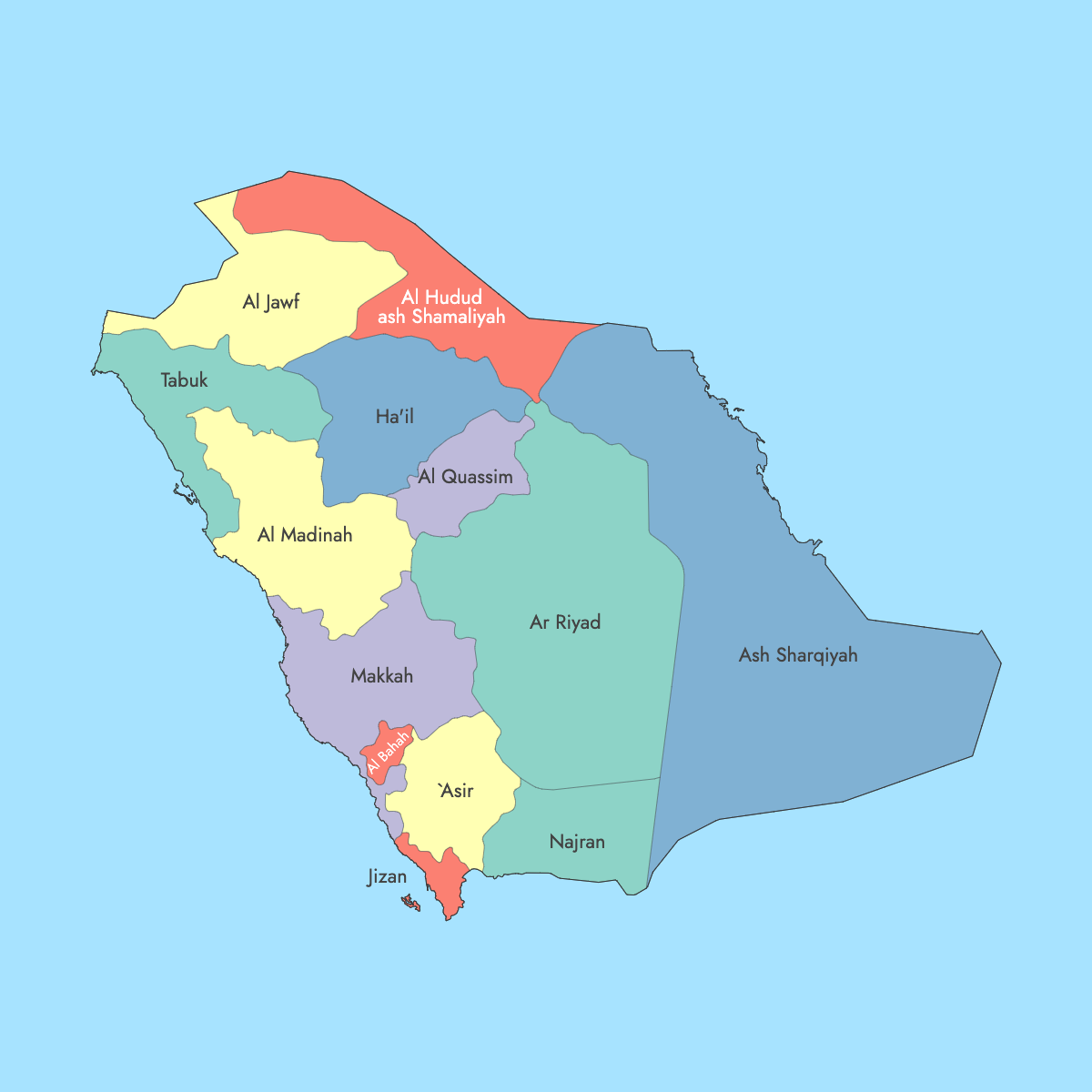
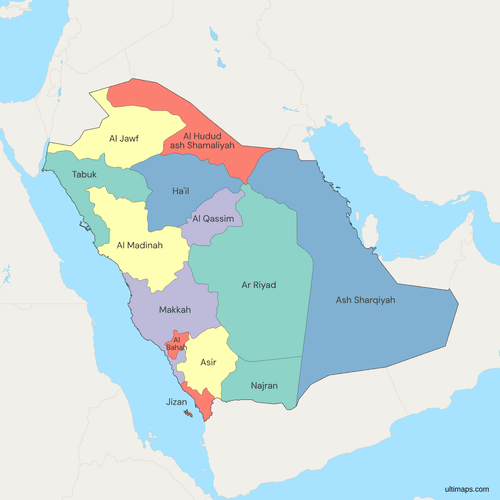
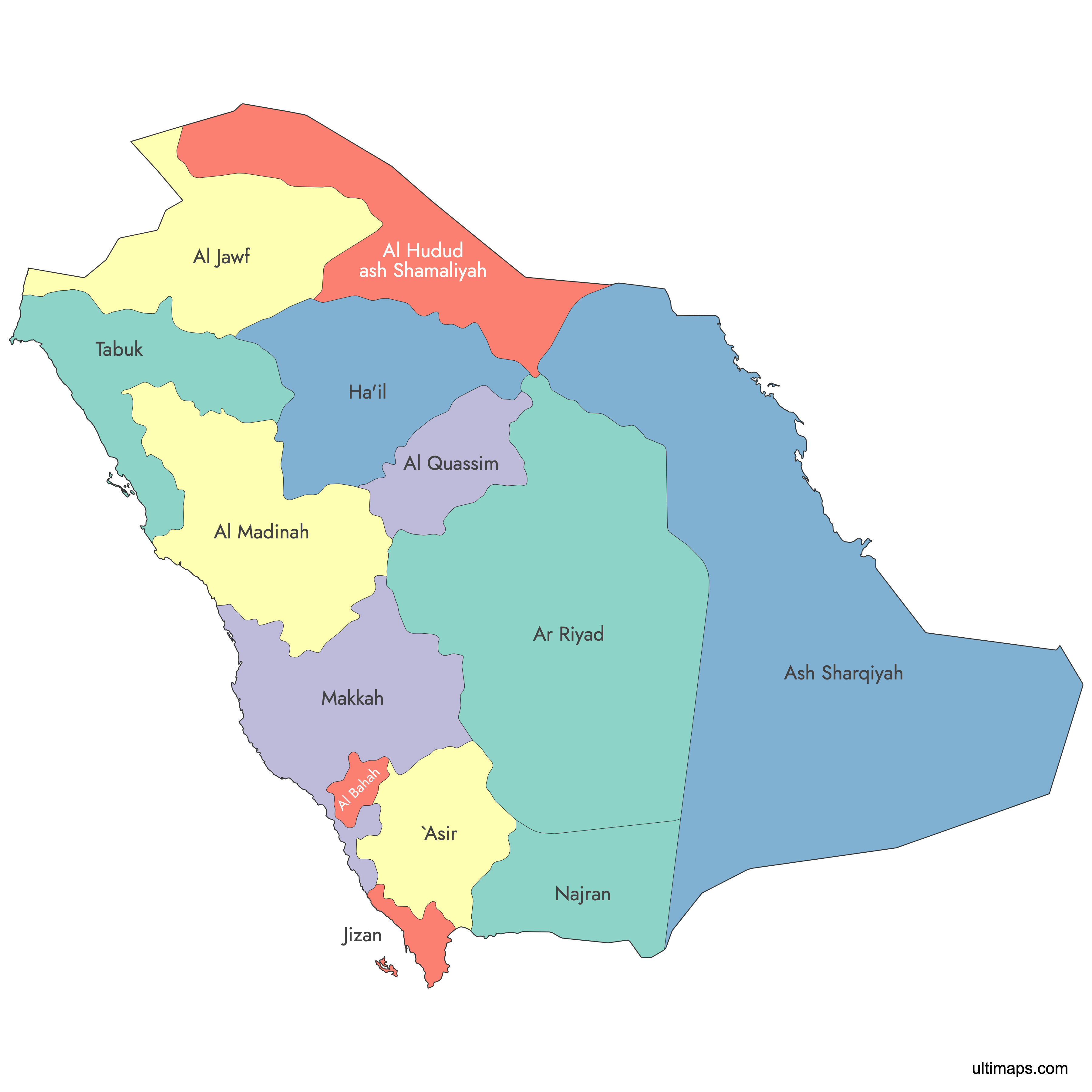
This Saudi Arabia provinces map splits the kingdom into its 13 provinces, the first-level units of local government under the Law of Provinces (Royal Order A/92) of 1 March 1992. English sources call them regions as often as provinces, so the same shapes also make up a Saudi Arabia regions map. In Arabic each one is a mintaqah (plural manatiq), run by an emir appointed by royal order.
Riyadh, the national capital, lies in Riyadh Province. The General Authority for Statistics (GASTAT) counted 8,591,748 residents there in the 2022 Census, the highest of any province. Makkah Province, which contains Mecca and Jeddah, came close with 8,021,463 in the 2022 Census. Al Bahah had the fewest people, 339,174 in 2022. It is also the smallest by area, at about 12,000 km² (4,600 sq mi), while the Eastern Province covers about 540,000 km² (208,000 sq mi). To compare provinces on your own statistic, enter a value for each one in the editor. It's free, and the map builds a color scale from your values.
Interactive Saudi Arabia Provinces Map
List of Provinces (13)
| # | Province |
|---|---|
| 1 | Al Bahah |
| 2 | Al Hudud ash Shamaliyah |
| 3 | Al Jawf |
| 4 | Al Madinah |
| 5 | Al Qassim |
| 6 | Ar Riyad |
| 7 | Ash Sharqiyah |
| 8 | Asir |
| 9 | Ha'il |
| 10 | Jizan |
| 11 | Makkah |
| 12 | Najran |
| 13 | Tabuk |
Saudi Arabia Provinces: Key Facts
- Total number of provinces: 13, the official count, and the map draws one shape for each. That is more than neighboring Oman (11 governorates) or the United Arab Emirates (7 emirates).
- Most populous province: Riyadh Province, 8,591,748 residents (GASTAT, 2022 Census)
- Least populous province: Al Bahah Province, 339,174 residents (GASTAT, 2022 Census). Northern Borders is next with 373,577 (2022 Census).
- Largest province by area: Eastern Province, about 540,000 km² (208,000 sq mi), per the Saudi Geological Survey
- Smallest province by area: Al Bahah Province, about 12,000 km² (4,600 sq mi)
- Major urban centers: Riyadh (Riyadh Province), Mecca, Jeddah and Taif (Makkah), Dammam, Khobar, Dhahran and Hofuf (Eastern Province), Medina (Al Madinah), Buraidah (Al Qassim), Abha and Khamis Mushait (Asir)
- National capital: Riyadh, which is also the capital of Riyadh Province
- Names on the map: the region list uses transliterations. Ar Riyad is Riyadh, Ash Sharqiyah is the Eastern Province, Al Hudud ash Shamaliyah is Northern Borders, and Jizan is Jazan.
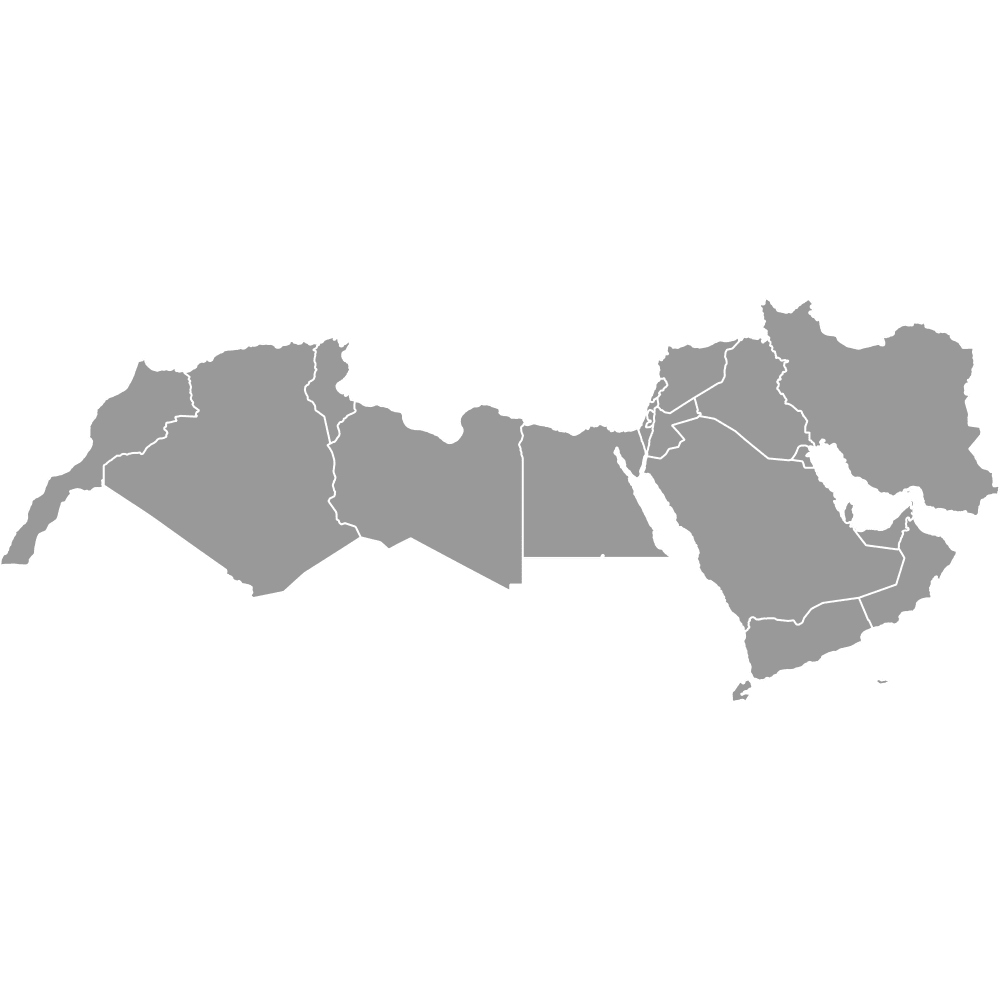
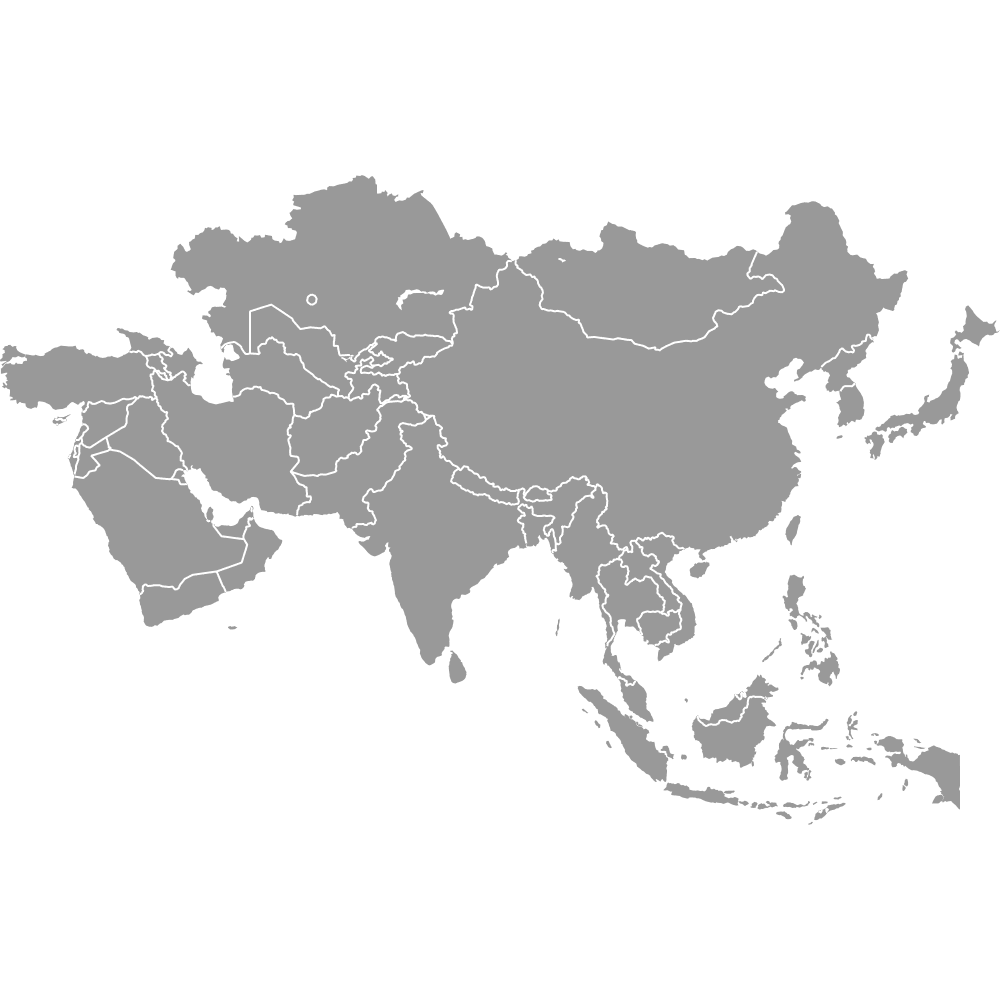
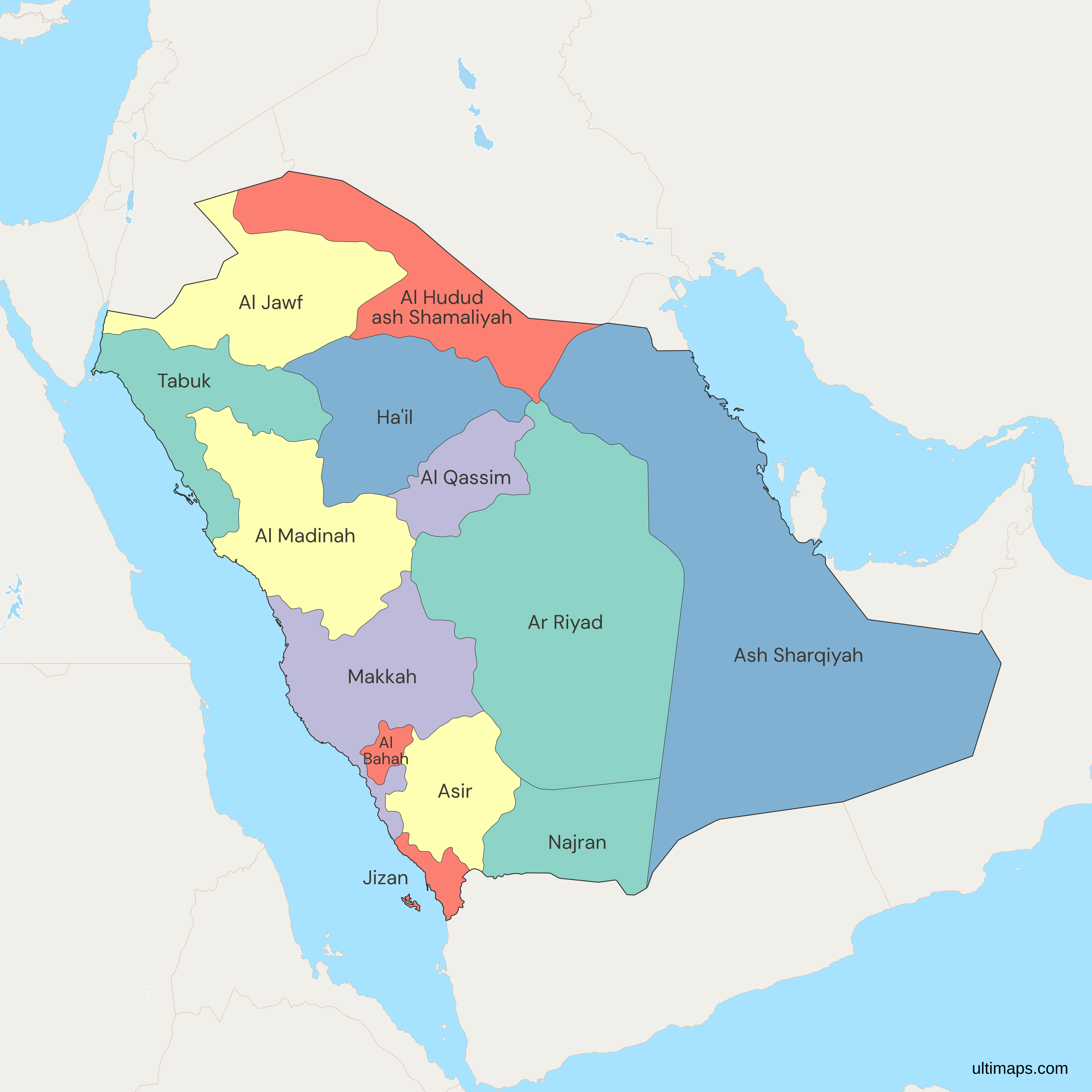
- Borders: Jordan and Iraq to the north, Kuwait to the northeast, Qatar and the United Arab Emirates to the east, Oman to the southeast and Yemen to the south. Bahrain has no land border with Saudi Arabia and is linked to the Eastern Province by the King Fahd Causeway. The coasts face the Red Sea and the Gulf of Aqaba to the west and the Persian Gulf to the east.
- Time zone: Arabia Standard Time (UTC+3) year-round, with no daylight saving time
- Subdivisions: each province is divided into governorates (muhafazat), which are administered under the provincial emir
- Historical note: the Law of Provinces, issued by Royal Order A/92 on 1 March 1992, set up the current system of provinces, emirs and provincial councils
Interesting Facts
- In the 2022 Census, 16,613,211 of Saudi Arabia's 32,175,224 residents lived in two provinces, Riyadh and Makkah. That is more than half the national population.
- Islam's two holiest mosques are in neighboring provinces. The Masjid al-Haram is in Mecca, in Makkah Province, and Al-Masjid an-Nabawi is in Medina, in Al Madinah Province.
- Saudi Aramco has its headquarters in Dhahran, in the Eastern Province. That province holds most of the kingdom's oil industry along the Persian Gulf coast.
- Asir Province in the southwest is mountainous, and its highland towns around Abha are cooler than most of the country.
- Several provinces follow older historical regions. Hejaz is the Red Sea coast around Makkah and Al Madinah, Najd is the central plateau around Riyadh and Al Qassim, and Al-Hasa is the eastern oasis district.
Free Downloads
Free for personal and commercial use with a credit to Ultimaps. See the license terms for details.
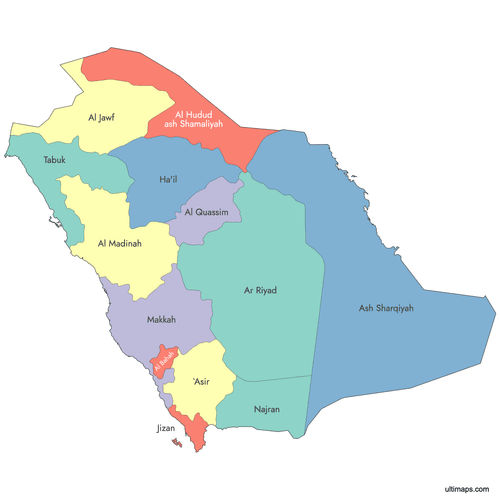 Colored Saudi Arabia Provinces Mappng429 KB
 Political Map of Saudi Arabia with Provincespng669 KB
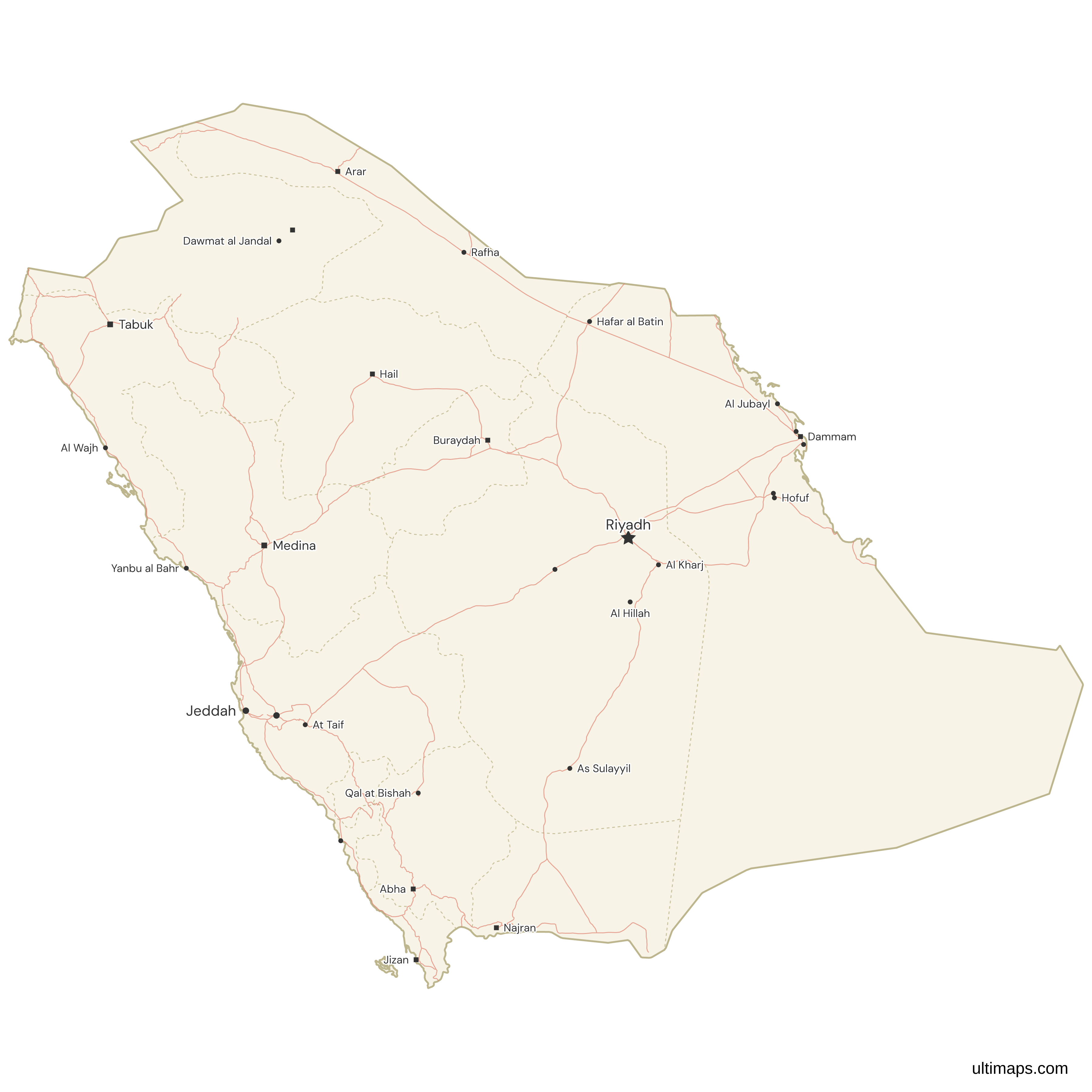
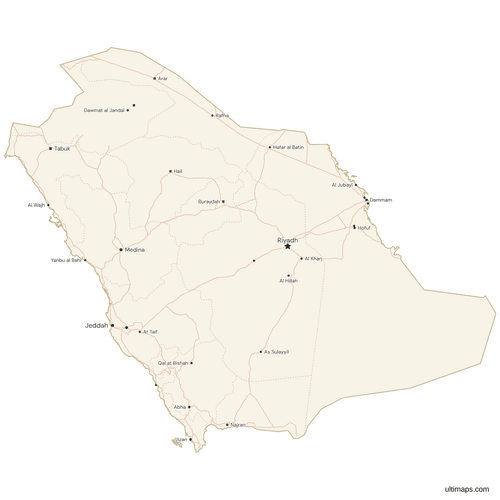 Map of Saudi Arabia with Cities and Roadspng634 KB
Need it without colors? The blank version of this map comes as a print-ready PDF (A4 and US Letter), a PNG and an editable SVG.
Custom Map Features
This map supports surrounding areas, roads and cities. New
This map is divided into 13 provinces.
Updates
September 28, 2026:
- Rewrote the page for all 13 provinces, with 2022 census figures
Mar 11, 2025:
- Added labeled version
Apr 14, 2024:
- Added map of Saudi Arabia Provinces
Frequently Asked Questions
Saudi Arabia has 13 provinces, and the map on this page draws each one as a separate shape. The Law of Provinces, issued by Royal Order A/92 on 1 March 1992, set up the current system of provinces, making the mintaqah (plural manatiq) the kingdom's top level of local government. English sources call these units provinces or regions. Each province has a capital city and an emir who chairs its provincial council, and each is divided into governorates (muhafazat). Riyadh Province had the most residents in the 2022 Census, 8,591,748. Al Bahah had the fewest, with 339,174 in the 2022 Census.
Saudi Arabia does not have states. The kingdom is a unitary monarchy, and its first-level divisions are 13 provinces, also translated as regions. A royal order appoints an emir (governor) to head each province, usually a member of the royal family. The emir works with a deputy emir and an appointed provincial council. Saudi provinces have no constitutions or legislatures of their own, which sets them apart from the states of the United States or Germany. The provinces are also called emirates, because each is administered as an imarah under its emir. When people refer to Saudi states, they mean these 13 provinces.
Saudi Arabia's 13 provinces and their capitals are Riyadh (Riyadh), Makkah (Mecca), Al Madinah (Medina), Eastern Province (Dammam), Al Qassim (Buraidah), Ha'il (Ha'il), Tabuk (Tabuk), Northern Borders (Arar), Al Jawf (Sakakah), Jazan (Jazan), Najran (Najran), Al Bahah (Al Bahah) and Asir (Abha). Riyadh is the capital of Riyadh Province and the national capital. The region list on this page uses transliterated Arabic names. The Eastern Province appears as Ash Sharqiyah, Northern Borders as Al Hudud ash Shamaliyah, Riyadh as Ar Riyad and Jazan as Jizan. Other sources spell some names differently, for example Makkah as Mecca, Al Madinah as Medina and Al Bahah as Al Baha.
The Eastern Province is the largest province in Saudi Arabia by area. The Saudi Geological Survey puts it at about 540,000 km² (208,000 sq mi), roughly 27.6% of the kingdom. It runs from the Kuwaiti border down the Persian Gulf coast and inland across a large part of the Rub' al Khali (Empty Quarter), and it borders Iraq, Kuwait, Qatar, the United Arab Emirates, Oman and Yemen. Riyadh Province is second, at about 380,000 km² (147,000 sq mi). Al Bahah is the smallest province, at about 12,000 km² (4,600 sq mi). The Eastern Province had 5,125,254 residents in the 2022 Census. Its main cities are Dammam, Khobar, Dhahran and Hofuf.
Riyadh Province is the most populated province in Saudi Arabia, with 8,591,748 residents in the 2022 Census by the General Authority for Statistics (GASTAT). Its largest city is Riyadh, the national capital and seat of the government. Makkah Province is close behind with 8,021,463 residents in the 2022 Census, a gap of 570,285 people. Most of Makkah Province's population lives in Jeddah, Mecca and Taif. The Eastern Province ranks third with 5,125,254 residents in the 2022 Census. The national total in that census was 32,175,224. The least populated province is Al Bahah in the southwest, with 339,174 residents in 2022.
Mecca and Jeddah are both in Makkah Province on the Red Sea coast. Medina is in Al Madinah Province, which lies to the north of Makkah Province. Mecca is the capital of Makkah Province and the site of the Masjid al-Haram. Jeddah is the province's largest port and the main arrival point for pilgrims traveling by air and sea. Makkah Province had 8,021,463 residents in the 2022 Census. Medina, home to Al-Masjid an-Nabawi (the Prophet's Mosque), is the capital of Al Madinah Province, which counted 2,137,983 residents in the 2022 Census. Both provinces are in the Hejaz, the historical region along the western coast.
Saudi Arabia's 13 first-level divisions have three common English names, and all three refer to the same units. The Arabic legal term is mintaqah (plural manatiq), which translates as region. Official English texts, including the Law of Provinces of 1 March 1992, use province. The name emirate comes from the fact that each province is run as an imarah headed by an emir appointed by royal order. The three names do not describe different levels of government. The level below the provinces is the governorate (muhafazah, plural muhafazat), and governorates are divided further into centers. This page uses province, and the map shows the same 13 units under any of these names.
You can color Saudi Arabia's 13 provinces in the Ultimaps editor on this page. It is free, and you do not need to sign up. To show groupings, pick a fill for each province by hand, for example to set Makkah and Al Madinah apart as the two pilgrimage provinces. To show a statistic, enter a number for each province, such as GASTAT's 2022 Census population counts. The editor colors each province by its value and adds a legend. You can add pins for places like Jeddah, Abha or a company office, and you can change label text, line style and colors. Free exports are standard PNG images with a small Ultimaps credit. High-resolution PNG, SVG and PDF export are part of Pro.